Ontario High School Hands Students “Safer Snorting” Cocaine Pamphlets, Sparking Outrage
Drug-Use Instructions Distributed During School Event
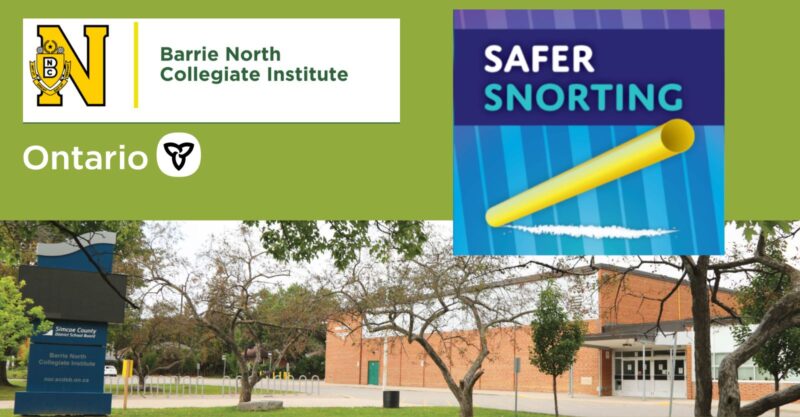
Parents across Ontario are expressing outrage after students at a Barrie high school were handed pamphlets explaining how to “safely” snort cocaine during a school event tied to Mental Health Awareness Week.
The controversial material, distributed at Barrie North Collegiate Institute through a presentation involving the Canadian Mental Health Association (CMHA), included instructions on how to make personal snorting devices, avoid sharing straws, rinse nasal passages after cocaine use and rotate nostrils to reduce irritation.
Photos of the pamphlet — titled ‘Safer Snorting’ — quickly spread online, triggering backlash from parents who say schools have crossed a dangerous line from drug prevention into outright normalization of illegal drug use among teens.
The booklet reportedly featured a line of cocaine and a yellow straw on the cover. Inside were detailed harm-reduction instructions advising students to personalize their snorting tubes with coloured tape or paper so they would not accidentally share them with others. Additional guidance included crushing substances into finer powder before inhaling and rinsing nasal passages after use.
For many families, the issue is not whether teenagers should be educated about the dangers of drugs — but why a publicly funded school environment is distributing what appears to be a practical guide to consuming cocaine.
Parents Furious Over “Harm Reduction” Messaging for Teens
One parent called the material “absolutely despicable,” saying there is “no safe way of snorting coke.” Social media reaction was swift, with many Canadians questioning how such material could have been approved for distribution to minors inside a high school.
The Simcoe County District School Board confirmed the pamphlets were made available during a CMHA-related event at the school. Following public backlash, the board stated concerns had been raised with the organization and that future materials would need to better align with curriculum expectations.
The CMHA later attempted to distance itself from the controversy, describing the pamphlets as “unvetted materials” that should not have been distributed in that setting. CMHA Ontario CEO Camille Quenneville stated the organization does not seek to “promote or normalize substance use among youth.”
But parents are not buying the explanation.
Normalization of Dangerous Drug Use?
But for many Canadians, the incident reflects the growing extremism of so-called “harm reduction” policies being pushed into schools and communities across the country. What began as overdose prevention for adults struggling with addiction has increasingly evolved into messaging that many parents believe normalizes hard drug use for youth.
The controversy comes as Canada continues to battle rising addiction, overdose deaths and worsening youth mental health. Yet instead of reinforcing prevention, resilience and recovery, institutions appear increasingly focused on teaching students how to engage in dangerous behaviour “more safely.”
Parents are now demanding accountability, stricter oversight of outside organizations entering schools and greater transparency about what materials are being handed to children in the name of public health and mental health education.
Incidents like this are also driving parents to reconsider whether the public school system reflects their values — with more and more Canadians turning to homeschooling and alternative education options.
Sources:
Global News, ‘Safer snorting’ cocaine pamphlet distributed at Ontario high school
Orillia Matters, ‘Safer snorting’ handout at high school causes blowback from parents
******************************************************************************************************************************