
Christmas Tree Pesticides Under Scrutiny — Risks for Children in Canada and the U.S.
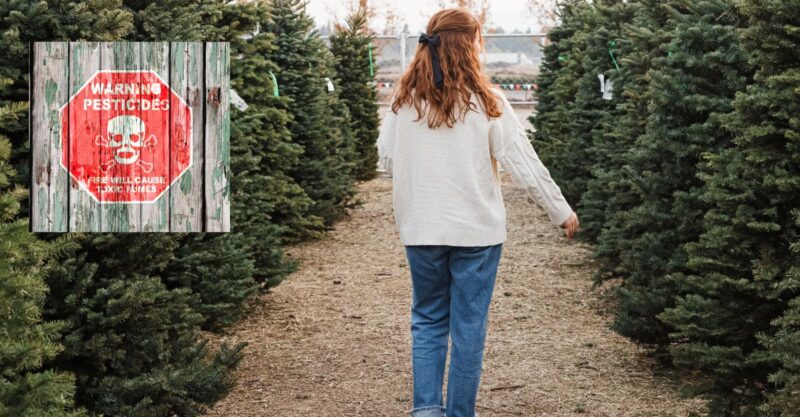
A new petition filed in the United States this week is raising serious concerns about the pesticides used on commercial Christmas trees and the potential risks to children.
The Center for Biological Diversity and the Alliance of Nurses for Healthy Environments delivered the petition directly to HHS Secretary Robert F. Kennedy Jr. and EPA Administrator Lee Zeldin, urging a full assessment of pesticide risks to children. Many advocates argue that Zeldin’s continued leadership is a danger to public health, given the EPA’s historic failure to assess pesticide exposure in homes.
According to the petition, Christmas tree farms in states like Oregon, Michigan, Pennsylvania, California, Florida and Texas use around 270,000 pounds of pesticides each year. Many of these chemicals — including chlorothalonil, chlorpyrifos, simazine, glyphosate, hexazinone, carbaryl, and dimethoate — are known to disrupt hormones, damage neurological development, and can even be carcinogenic.
Children are especially vulnerable because they spend time under the tree, touch fallen needles, and may breathe in dust that contains lingering pesticides. Heat from string lights can increase the risk of chemicals getting into the air. Some pesticides, such as chlorpyrifos and carbaryl, are already banned for food uses in parts of the U.S. and internationally, yet are still commonly used on Christmas trees.
Implications for Canada
Canadian families should pay attention because similar practices exist here. Canada has 1,364 Christmas tree farms covering over 50,000 acres, primarily in Québec, Ontario, Nova Scotia and British Columbia. While no official data exist showing exactly how many pounds of pesticides are sprayed annually on Canadian Christmas trees, the Canadian nursery and ornamental tree industry does use hundreds of pesticide products, including herbicides, fungicides, and insecticides, some of which are also used on Christmas trees.
Currently, Health Canada’s Pest Management Regulatory Agency (PMRA) does not require assessments of residential exposure from pesticide-treated Christmas trees, leaving a knowledge gap similar to that highlighted in the U.S. petition. Children are just as susceptible to exposure in Canadian homes, through inhalation, skin contact, or ingestion of needles.
Historical Context
For centuries, Christmas trees were harvested from forests without chemical treatments. Today, most North American families buy farmed trees that may have been treated with pesticides — often without knowing which chemicals were used.
CHD Canada Calls for Transparency and Accountability
Because Canada does not track pesticide use specifically for Christmas-tree farms, the true extent of exposure remains unknown. Environmental and advocacy groups in Canada are calling for better data collection and public reporting, greater transparency from growers and regulators, and precautionary approaches favouring low-spray or organic tree production to protect children and pets. The U.S. petition highlights the need for responsible oversight, as failure to act could put families at risk.
The joys of the holiday season should not come with hidden chemical hazards. Parents and grandparents deserve safe options and clear information about the chemicals used on the trees in their homes. Many pesticides commonly used on Christmas trees — including chlorothalonil, chlorpyrifos, glyphosate, carbaryl, and dimethoate — have been linked to cancer, neurological damage, and developmental harm in children.
What Families Can Do
-
Ask your seller: Check if the trees are from organic or low-spray farms.
-
Look for certified organic tree farms: Available in some regions of Québec and Ontario.
-
Consider forest-cut permits: Crown land permits allow families to harvest naturally-grown trees with little to no chemical exposure.
- Rinse your tree outdoors: A gentle hose rinse can help remove surface residues (weather permitting).
Sources:
Center for Biological Diversity – U.S. Petition to EPA and MAHA Commission, Dec. 4, 2025
Statistics Canada, 2021 Census of Agriculture – Christmas Tree Production
Agriculture and Agri-Food Canada – Integrated Pest Management and Nursery Survey
*****************************************************************************************************************