April: Autism Awareness, Acceptance and the Need for Honest Conversation
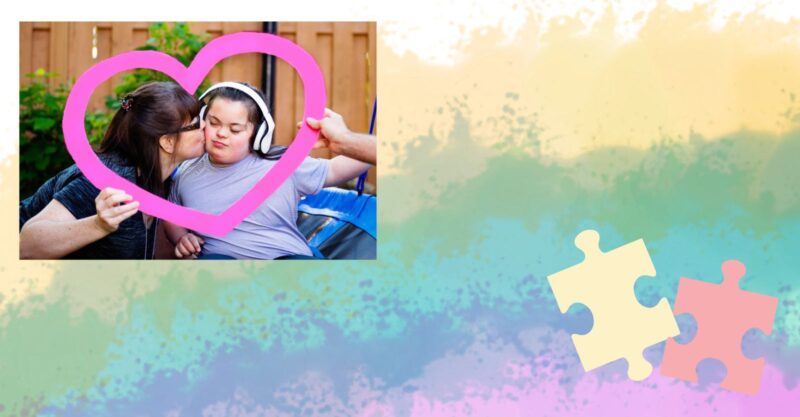
April is widely recognized as Autism Awareness Month, but for many families, awareness is not the issue.
They are already living it.
Across Canada and beyond, parents have watched their children develop typically — and then lose speech, eye contact and developmental milestones, often over a short period of time. Many describe the same pattern: a healthy child, followed by a sudden and unexplained regression.
These experiences are shared across families who say their concerns have too often been dismissed or ignored.
In recent years, the language around autism has shifted.
More organizations now promote Autism Acceptance Month, emphasizing neurodiversity and inclusion. While this message resonates with some, other families say it does not reflect their reality — particularly those caring for children with severe, life-altering disabilities.
For these families, autism is not simply a difference to be accepted. It is something that has profoundly changed the course of their child’s life — and their own.
For decades, public campaigns focused on awareness, helping to bring visibility to autism.
Now, the focus on acceptance is changing how autism is discussed. But some parents and advocates say this shift risks moving attention away from urgent questions — including why autism rates continue to rise.
Autism is often described as a spectrum, but that spectrum includes dramatically different outcomes.
Some individuals live independently and advocate for neurodiversity. Others require lifelong care.
Profound Autism
Individuals with profound autism face far more severe, life-altering challenges.
Many are non-verbal or unable to communicate their needs independently, and may also experience:
- Intellectual disability
- Significant behavioral and sensory difficulties
- Lifelong dependence on caregivers
For these families, autism is not simply an identity — it is a daily, all-encompassing reality that can involve complex care, constant supervision, and difficult decisions about therapies and supports.
This reality is increasingly being acknowledged in public conversations.
In a recent interview on The Diary of a CEO Podcast, MP Pierre Poilievre, leader of Canada’s Conservative Party, spoke openly about his young daughter Valentina, who is non-verbal and autistic. He described her as “100 per cent authentic” and shared how raising a child with special needs has shaped his perspective — particularly his awareness of those who cannot advocate for themselves.
View this post on Instagram
His comments reflect something many families already know: caring for a child with autism who cannot communicate verbally brings unique challenges — but also a depth of insight that is rarely captured in broader public messaging.
Meanwhile, new data from Canada is raising urgent questions.
Autism prevalence in Canada has risen dramatically — from 1 in 714 children in 2000–2001 to approximately 1 in 44 by 2023–2024, representing an increase of over 1,500%.
Despite the scale of this increase, Health Canada has remained largely silent. Public explanations have focused on increased awareness and broader diagnostic criteria, while avoiding deeper examination of potential contributing factors.
For many families, this lack of urgency is difficult to ignore — particularly as more children are diagnosed with complex and high-support needs.
Writers at Inchstones and Autism Warrior Mom describe this experience in deeply personal terms. They speak about exhaustion, resilience and the often-overlooked realities of raising children with high support needs.
Their stories highlight a growing concern: that the current public conversation about autism does not always reflect the full range of experiences.
Autism does not look the same for everyone — and any meaningful discussion must account for that.
As the language evolves from awareness to acceptance, the way autism is framed has real-world implications. It can shape:
- How the public understands autism
- Which voices are amplified — and which are left out
- What types of research are prioritized
- How services and supports are designed and funded
For some families, there is concern that a singular focus on acceptance and neurodiversity may unintentionally minimize the needs of those who require the most support. Others argue that acceptance and support should go hand in hand — and that one does not need to come at the expense of the other.
There is also an ongoing discussion about how autism is represented visually and symbolically. Traditional symbols like the puzzle piece have been criticized by some advocates, while others continue to use them to represent the complexity of autism. Newer symbols, such as the infinity sign, are promoted as representing diversity and inclusion.
These shifts reflect a broader tension: how to balance respect, dignity and inclusion with an honest acknowledgment of the challenges that many individuals and families face.
Increasingly, parents, caregivers, and advocates are calling for a more complete and balanced conversation — one that does not rely on a single narrative.
That includes space for:
- Autistic individuals who advocate for acceptance and inclusion
- Families navigating severe and complex disabilities
- Clinicians and researchers exploring causes, treatments, and outcomes
- Open discussion about prevention, support, and long-term care
Without that balance, important perspectives risk being overlooked.
Important Event: Autism Health Summit
Those seeking a broader range of perspectives may be interested in the Autism Health Summit, an annual event that brings together families, practitioners, and researchers.
The summit features discussions on:
- Emerging autism research
- Clinical and therapeutic approaches
- Lived experiences of families
- Questions that remain under debate in mainstream discourse
Events like this reflect a growing demand for open dialogue — particularly around topics that some families feel are not being fully addressed elsewhere.
Learn more or register HERE
April continues to serve as a focal point for autism conversations worldwide. But as the terminology evolves, so too does the responsibility to ensure that all voices are heard.
For many families, awareness is still needed. For others, acceptance is the priority. For many, it is both.
What is increasingly clear is that autism cannot be reduced to a single definition, experience or message.
A more complete conversation begins with listening — and with a willingness to engage with the full complexity of autism as it is lived every day.
Share your autism story with CHD:
Sources:
Inchstones, On World Autism Day, Tell the Truth About Profound Autism
Inchstones, The Mothers Profound Autism Made Us
Warrior Mom, From Warrior Mom to an Inspiring Movement: Honoring Autism Awareness Month
Visit Autism/ASD in the drop-down menu for more reading.
************************************************************************************************