

Is “Long COVID” Something Else? New Research Points to Gut Damage, Viral Persistence
Emerging research is raising new questions about what’s really driving so-called “long COVID” — and whether the condition is being fully understood or accurately labeled.
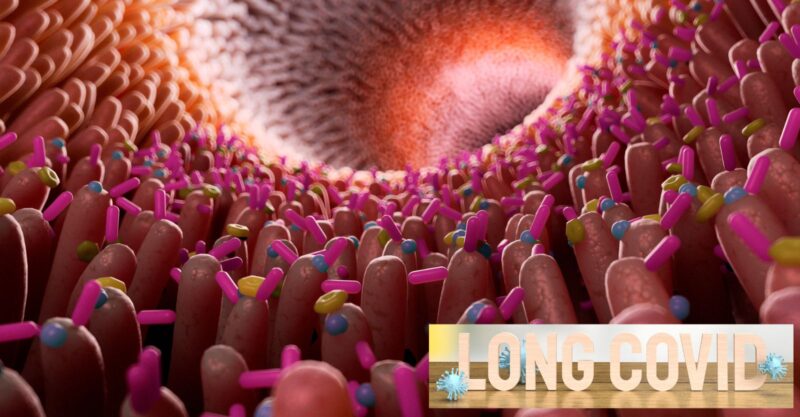
A growing body of evidence suggests that lingering symptoms may be linked not just to a past infection, but to persistent viral fragments, gut microbiome disruption, and chronic inflammation — a combination that some experts say overlaps with patterns seen in post-injection injury.
For Canadians dealing with ongoing symptoms, this raises a critical issue: are we asking the right questions — and getting honest answers?
A New Lens on Chronic Symptoms
The condition widely referred to as long COVID — or post-acute sequelae of SARS-CoV-2 (PASC) — includes fatigue, neurological issues, and gastrointestinal problems that can last for months or longer.
Recent findings highlighted by TrialSite News, along with a 2026 peer-reviewed paper, point to three key mechanisms:
- Viral persistence: remnants of SARS-CoV-2 may remain in the body long after initial exposure
- Gut dysbiosis: disruption of the microbiome
- Chronic inflammation: an immune system that remains activated
Rather than resolving, these factors may reinforce each other — potentially locking individuals into a cycle of ongoing illness.
Spotlight: Dr. Sabine Hazan
Dr. Sabine Hazan, a gastroenterologist and microbiome researcher, has been at the forefront of investigating how COVID — and related exposures — affect gut health.
Her research has found that individuals with COVID-related illness often show:
- Reduced microbial diversity
- Depletion of beneficial bacteria such as Bifidobacterium
- Microbiome patterns associated with immune dysregulation
Hazan has suggested that these microbiome changes may weaken immune resilience and contribute to prolonged symptoms — a theory that aligns with broader findings linking gut health to immune function.
View this post on Instagram
Viral Persistence Meets Microbiome Disruption
The 2026 study by De Stefanis et al. builds on this work, proposing that viral fragments may persist in the gut, altering microbial balance and driving chronic inflammation.
This model offers a possible explanation for why symptoms continue long after the initial trigger — whether that trigger was infection, injection, or both.
Importantly, the study is considered moderate, hypothesis-generating evidence (65/100) — meaning more research is needed, but the signal is strong enough to warrant attention.
Why This Matters Now
For many Canadians, the label “long COVID” may not fully capture what they’re experiencing — or what caused it.
If gut damage, immune dysregulation, and persistent inflammatory responses are at the core, then:
- Current treatment approaches may be missing the mark
- Root causes may be overlooked or misattributed
- Patients may not be receiving full informed consent about risks and outcomes
These are not small questions — they go to the heart of public trust and medical transparency.
The Bottom Line
The science is still evolving — but one thing is becoming increasingly clear:
Chronic post-COVID symptoms may be less about a single virus, and more about how the body responds, adapts, and sometimes fails to recover.
Understanding that distinction is critical.
Because without it, people are left navigating long-term illness without clear answers — or accountability.
Sources
- TrialSite News. Long COVID and the Gut Perspective: Viral Persistence, Dysbiosis and Chronic Inflammation (2026)
- De Stefanis S, Colavita F, Maggi F, Antonioli M. (2026). SARS-CoV-2 Persistence and the Gut Microbiota: New Insights into Long COVID Pathogenesis. Viruses, 18(2), 247
- Hazan S et al. (2022). Lost microbes of COVID-19. BMJ Open Gastroenterology
- Caliman-Sturdza OA et al. (2025). Microbiome and Long COVID-19: Current Evidence and Insights
- Karger Publishers (2022). Pre-Existing Microbiome Signature in SARS-CoV-2
****************************************************************************************************************************