U.S. Withdraws from the World Health Organization — Canada Should Do the Same
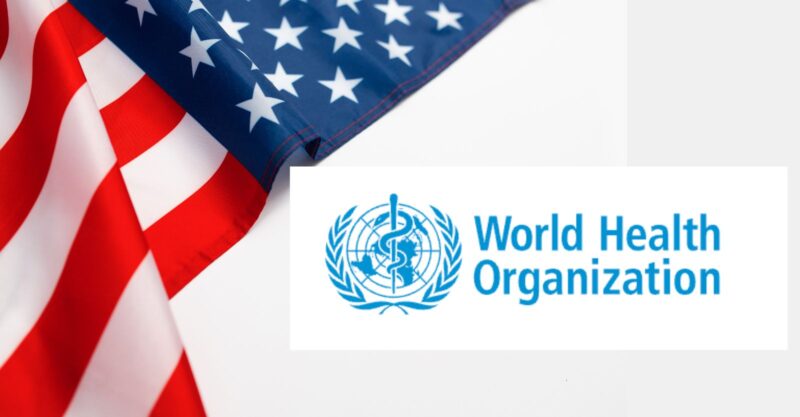
The World Health Organization has lost its most powerful member.
On January 22, 2026, the United States formally completed its withdrawal from the WHO, following a one-year notice period triggered by an executive order signed on January 20, 2025, by President Donald Trump.
This decision was not sudden, symbolic, or political theatre. It was the culmination of years of concern over the WHO’s conduct, governance, and credibility — concerns that were brought sharply into focus during the COVID-19 pandemic.
Why the United States Walked Away
According to the U.S. government’s official fact sheet, the withdrawal was driven by:
-
FAILURES in the WHO’s handling of COVID-19, including its response to the outbreak originating in Wuhan, China
-
A persistent refusal to implement meaningful reforms, despite widespread criticism
-
A lack of accountability, transparency, and independence
-
Disproportionate financial burden placed on U.S. taxpayers
Although the WHO has 194 member states, the United States has long carried an outsized share of the organization’s costs. In recent years alone, U.S. assessed (mandatory) contributions averaged approximately $111 million annually, with voluntary contributions averaging another $570 million per year — adding up to billions of dollars over time.
What the Withdrawal Means in Practice
With its exit finalized in January 2026, the United States has:
-
TERMINATED all funding to the WHO
-
RECALLED U.S. personnel and contractors from WHO headquarters in Geneva and offices worldwide
-
ENDED participation in WHO committees, leadership bodies, governance structures, and technical working groups
-
SUSPENDED hundreds of formal engagements with the organization
Importantly, the U.S. has made clear that withdrawal from the WHO does not mean withdrawal from global health leadership. American public health agencies will continue to engage internationally — but outside WHO structures, through direct partnerships, targeted cooperation, and accountable use of resources.
Why This Matters for Canada 🇨🇦
Canada relies heavily on WHO guidance to shape public health policy, pandemic preparedness, and regulatory decisions. Yet many of the concerns cited by the United States apply equally — if not more so — to Canadians.
During COVID-19, Canadians experienced:
-
Shifting guidance presented as settled science
-
Suppression of dissenting scientific and medical voices
-
A lack of transparency around decision-making and data
-
Global “one-size-fits-all” recommendations that ignored national context
If the WHO is unwilling or unable to reform, Canadians must ask a serious question: why should Canada continue to outsource public health authority to an unelected international body that lacks accountability to the people it affects?
A Question of Sovereignty, Science and Trust
Public health should serve people — not institutions.
The U.S. withdrawal signals a growing recognition that global health coordination does not require blind allegiance to a single centralized authority, especially one that has repeatedly failed to earn public trust.
It is time for Canada to have an honest national conversation about its relationship with the WHO — and whether continued membership truly serves Canadian families, health-care workers, and taxpayers.
Canada can cooperate globally without surrendering sovereignty, pursue evidence-based policy without institutional pressure, and rebuild public trust through transparency and accountability.
The United States has taken that step.
Canada should do the same.
Source:
U.S. HHS U.S. Withdrawal from the World Health Organization
**************************************************************************************************************************