Post-COVID, More Canadian Children Are Entering Kindergarten with Developmental Challenges
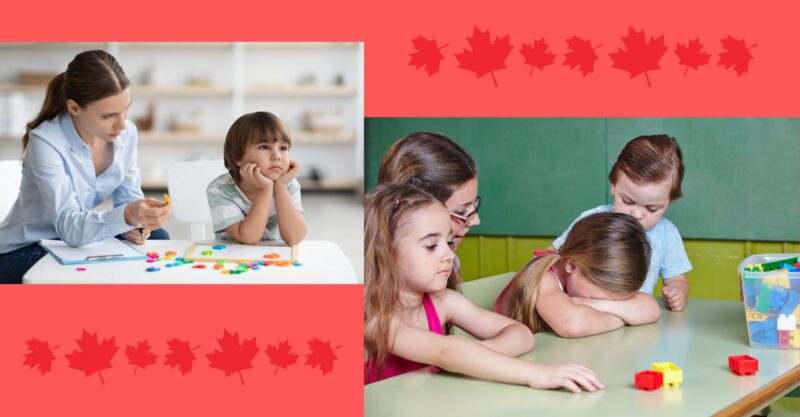
A new Canadian study has found that more children entering kindergarten in the years following the COVID-19 pandemic are experiencing developmental vulnerabilities, raising concerns about the long-term impacts of pandemic-era conditions and interventions on children’s health and development.
Researchers analyzed data from hundreds of thousands of Canadian children and found increases in developmental challenges across multiple areas, including physical health and well-being, social competence, emotional maturity, language and cognitive development, and communication skills.
The findings have prompted concerns about the growing number of children who may require additional educational and support services in the years ahead.
What the Study Didn’t Examine
But while researchers point to pandemic-related disruptions, the study does not examine one of the most significant population-wide exposures during this period: the widespread administration of COVID-19 injections during pregnancy and early childhood.
Many of today’s kindergarten students were conceived, carried in utero, born and raised during the largest vaccination campaign in history. Yet despite growing concerns among some researchers, physicians and parents, prenatal and early-life exposure to COVID-19 injections was not evaluated as a potential contributing factor.
Instead, the report largely attributes developmental challenges to service disruptions, social isolation, reduced access to childcare and support programs, and changes in daily routines during the pandemic years.
The study found that approximately 28.5 percent of Canadian children entering kindergarten were developmentally vulnerable in at least one area, meaning they may be at greater risk of experiencing difficulties as they progress through school.
Researchers also reported increases in developmental vulnerability among children identified as having special needs, suggesting that some of the country’s most vulnerable children may have been disproportionately affected during the pandemic period.
The report discusses a range of possible explanations, including service disruptions, reduced access to supports, school and childcare interruptions, and social isolation during the pandemic years.
Those factors may indeed have played a role. However, the report does not examine whether prenatal or early-life exposure to COVID-19 injections may have contributed to the developmental outcomes observed among these children.
Why are researchers willing to investigate the impact of changes in routines, socialization and access to services, but unwilling to examine other major exposures that occurred during the same period?
Why are public health authorities not actively studying whether prenatal exposure to COVID-19 injections, exposure through breastfeeding, or early childhood administration of COVID-19 products could have contributed to developmental outcomes in some children?
Why Comprehensive Investigation Matters
For CHD Canada, the question is not whether pandemic disruptions mattered. The question is why public health authorities continue to avoid investigating all plausible contributing factors, including the possible effects of novel mRNA products administered during pregnancy and childhood.
Parents deserve answers based on comprehensive, transparent and independent research—not assumptions.
The need for broader investigation has also been raised outside government and academic circles. During the National Citizens Inquiry hearings in Edmonton in 2025, testimony explored concerns about children’s health, developmental outcomes and prenatal exposures during the COVID era. While mainstream institutions continue to focus largely on pandemic disruptions, participants in the inquiry called for independent examination of all potential contributing factors, including the impact of COVID-19 injections administered during pregnancy and early childhood.
The children highlighted in this report represent a generation shaped by unprecedented public health interventions. From lockdowns and school closures to social isolation, masking policies and mass vaccination campaigns, no previous generation has experienced such sweeping changes during critical periods of development.
If developmental vulnerabilities are increasing, Canadians should expect researchers to investigate every reasonable hypothesis and every major exposure—not simply those that align with official narratives.
Until all plausible contributing factors are examined, important questions about the health and development of Canada’s children will remain unanswered.
Sources:
Janus, Magdalena and Reid-Westoby, Caroline. “After the COVID-19 Pandemic, Thousands More Kindergarteners Faced Developmental Challenges.” The Conversation, May 21, 2026.
Offord Centre for Child Studies. The Developmental Health of Canadian Children in Kindergarten: Comparing the Pre- and Post-COVID-19 Pandemic Periods (2025, revised March 2026).
**************************************************************************************************************************
If you find value in the work we do at Children’s Health Defense Canada, please consider making a donation so we may continue to advocate for and protect our most valuable resource…our children.