
Ottawa Detective Prosecuted After Probing Infant Deaths — ‘Grus Justice Project’ Demands Accountability
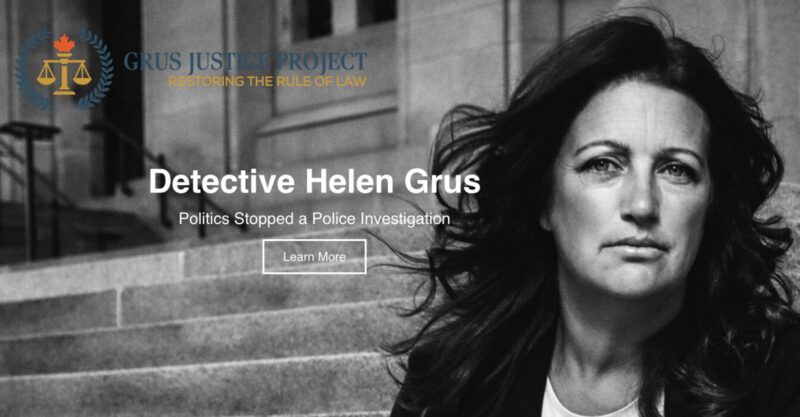
A Canadian police officer who raised concerns about a surge in unexplained infant deaths is now at the center of a growing national and international push for accountability, transparency, and the restoration of police independence.
Helen Grus, an Ottawa Police detective, is at the center of the case. The Grus Justice Project, a Canadian nonprofit, has launched a public effort to defend her after she faced disciplinary action for initiating inquiries into a reported increase in sudden infant deaths during the COVID shot rollout.
The case — now the subject of a new investigative documentary, Silencing Detective Grus — is raising serious questions about political interference, public-health narratives, and whether law enforcement officers are free to investigate matters of public concern without fear of reprisal.
A Detective’s Questions — and the Consequences
According to the Grus Justice Project, Grus, a veteran officer assigned to investigate sudden infant deaths, became concerned after colleagues observed what appeared to be a significant rise in such cases between 2021 and 2022.
Instead of prompting a broader investigation, her efforts reportedly triggered internal discipline.
Grus was charged and ultimately convicted of “discreditable conduct” in an internal police tribunal — not for misconduct involving evidence, but for initiating inquiries without prior approval due to the “political and societal ramifications” of her investigation.
The ruling effectively suggested that investigating matters involving public officials or sensitive public-health issues required authorization from higher authorities.
Critics say this sets a dangerous precedent.
A Broader Legal and Constitutional Fight
The Grus Justice Project argues that the implications of the case extend far beyond one officer.
Its stated mission is to restore the rule of law and ensure police can conduct investigations independently — free from political pressure or institutional constraints that could suppress evidence.
The organization warns that new legal frameworks and internal policies emerging in the wake of Grus’ case could limit officers’ ability to investigate cases involving government actions or public-health decisions.
This, they argue, threatens both public trust and the integrity of Canada’s justice system.
Documentary Highlights Allegations of Suppression
The upcoming documentary Silencing Detective Grus, by Todd Harris and produced in association with the Grus Justice Project, examines the case in detail — drawing on tribunal records, expert analysis, and firsthand accounts.
The film alleges that instead of investigating the reported rise in infant deaths, authorities moved to silence the detective raising concerns.
According to the project and the film’s materials, Grus faced suspension, surveillance, and unprecedented disciplinary measures during a four-year ordeal.
Her legal counsel, Bath-Sheba van den Berg, maintains that her client acted out of legitimate public safety concerns and was penalized for pursuing lines of inquiry that challenged official narratives.
Experts and Public Figures Speak Out
The case has drawn commentary from a range of voices, including scientists, former law enforcement officials, and media professionals.
Among them:
- Denis Rancourt, who has criticized institutional power structures
- Dr. Byram Bridle, who has questioned regulatory oversight
- Frank Serpico, who warned that systems may go to great lengths to avoid scrutiny
Supporters argue the case reflects a broader pattern of suppression when evidence conflicts with government messaging.
Why This Case Matters
At its core, the Grus case raises fundamental questions:
- Can police investigate sensitive public-health issues without political approval?
- What happens when evidence challenges official narratives?
- Are institutional safeguards protecting truth — or suppressing it?
The Grus Justice Project contends that the answers will shape the future of policing, accountability, and civil liberties in Canada.
Call to Action
Canadians concerned about transparency, police independence, and public accountability are encouraged to learn more about the case and follow developments through the Grus Justice Project.
As this case continues to unfold, it stands as a critical test of whether truth and evidence — or politics and pressure — will guide Canada’s institutions.
TORONTO — November 14, 2025 — The Grus Justice Project today releases the official trailer for’Silencing Detective Grus’, a new investigative feature documentary from Matador Films, produced in association with the Grus Justice Project.https://t.co/CK5ENs1Pws pic.twitter.com/wLFXVhkNBS
— Grus Justice Project (@GrusJustice) November 14, 2025
Tickets for the May 19, 2026, World premiere of “Silencing Detective Grus” in Ottawa are on sale HERE
“May 19, 2026 is also the start of the three-day sentencing hearing for Detective Grus. She was convicted of Discreditable Conduct by an internal kangaroo court and faces dismissal, suspension, a fine – or a combination.
Silencing Detective Grus will be showing cross Canada starting in June. If you would like to host a showing of the film, find information HERE.
Dates for the U.S. premiere and tour will be announced soon.— Donald Best, Co-founder and director of the Grus Justice Project.
******************************************************************************************************