

No “Sedition,” No Emergency: Ottawa Appeals Emergencies Act Ruling Despite Court Rebuke
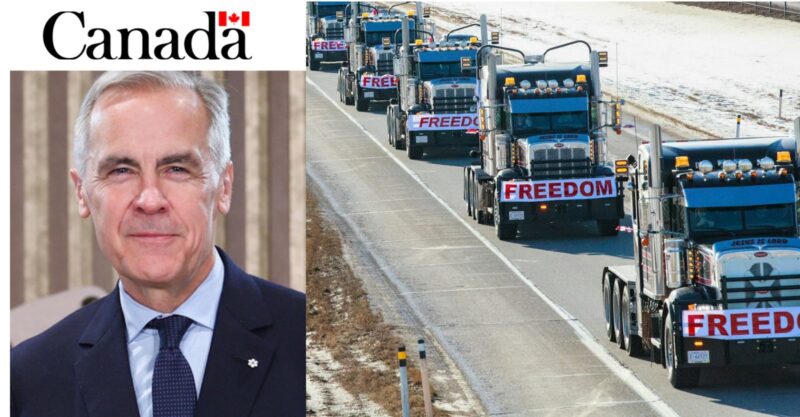
After two courts ruled there was no national emergency and that Canadians’ Charter rights were violated, the federal government is now asking the Supreme Court of Canada to overturn decisions that found its use of the Emergencies Act during the 2022 Freedom Convoy was unlawful.
At issue is whether Ottawa can expand its use of emergency powers — despite courts finding the legal threshold was never met.
At the same time, one of the most serious claims used to justify those powers is collapsing.
During the 2022 Freedom Convoy, the protest was publicly described as “sedition” — implying an attempt to overthrow the government.
But no court, inquiry, or official finding ever supported that claim.
Courts Found No Legal Basis for Emergency Powers
In January 2024, Federal Court Justice Richard Mosley ruled the government’s use of the Emergencies Act was “unreasonable” and violated Canadians’ Charter rights.
The court found:
-
The legal threshold for a national emergency was not met
-
The situation did not qualify as a threat to national security under Canadian law
-
Measures such as financial surveillance and account freezes breached Charter protections
In January 2026, the Federal Court of Appeal upheld that decision, concluding the government “did not have reasonable grounds” to invoke the Act.
Ottawa Seeks Supreme Court Review
Despite losing at two levels of court, the federal government is now seeking to take the case to the Supreme Court of Canada.
According to The Canadian Press, Ottawa has applied for leave to appeal, asking the court to review the legality of its use of emergency powers during the convoy protests.
The move signals the government’s intent to defend — and potentially broaden — how and when the Emergencies Act can be used.
The Canadian Civil Liberties Association, which challenged the government in court, called the ruling a “historic victory for the rule of law.”
“Sedition” Claim Not Supported by Evidence
A central narrative during the protests was that the Freedom Convoy posed a threat to democracy.
Prominent voices — including former Bank of Canada governor Mark Carney — described the protest as “sedition.”
But as highlighted in a National Post opinion piece by Josh Dehaas, that claim was never supported by evidence.
No findings from the Public Order Emergencies Commission concluded that the protest met the legal definition of sedition or an attempt to overthrow the government.
Courts likewise found the situation did not meet the threshold of a national security threat — undermining the justification for invoking emergency powers.
Extraordinary Measures Used Against Canadians
The Emergencies Act is intended as a last-resort tool, to be used only when a crisis cannot be handled under existing laws.
Yet both courts concluded that existing legal tools were sufficient.
Despite that, the government implemented sweeping measures, including:
-
Freezing personal and corporate bank accounts
-
Expanding financial surveillance
-
Restricting public assembly
-
Compelling essential services
The use of financial penalties against individuals who were not charged with crimes remains one of the most controversial aspects of the response.
Why This Matters
While the case centers on the Freedom Convoy, its implications extend far beyond a single protest.
The same emergency framework emerged during a period of sweeping pandemic policies — including mandates tied to COVID shots — where Canadians faced restrictions on movement, employment, and participation in public life.
If the Supreme Court sides with the federal government, it could:
-
Lower the threshold for invoking emergency powers
-
Normalize financial surveillance tools
-
Expand state authority over peaceful dissent
The Bottom Line
Two courts have already ruled: there was no national emergency, and Canadians’ rights were violated.
Now, the federal government is asking the Supreme Court to reconsider.
At stake is whether emergency powers in Canada remain a last resort — or become a tool used against dissent.
Sources:
The Canadian Press. Feds appealing use of Emergencies Act during Freedom Convoy at Supreme Court.
National Post. Josh Dehaas. There was no sedition, Mr. Carney.
Federal Court of Appeal. 2026 FCA decision on Emergencies Act.
Canadian Civil Liberties Association. Press release on Emergencies Act ruling.
****************************************************************************************************************************’